
Maricopa County recorded more than 8,200 residential burglaries in 2023, according to the Arizona Department of Public Safety. Most Scottsdale homeowners respond by buying a safe—and then never changing the combination, even after a home sale, a tenant departure, or a lockout. That single oversight turns a $500 piece of security hardware into an open invitation.
This guide covers exactly when a safe combination change is non-negotiable, what the process involves, what it costs in the Scottsdale market, and when to call a licensed technician instead of attempting it yourself. The North Valley Locksmith team has serviced safes across the 85250–85266 zip codes for over a decade. What follows is what we tell every homeowner who calls us after a life event, a lock-out, or a close call.
TL;DR:
- Change your safe combination any time ownership, tenancy, or access changes — period.
- Scottsdale’s extreme heat accelerates electronic keypad failure; inspect annually.
- A professional combination change runs $50–$150 in the Scottsdale area.
- Forgotten combinations are recoverable without drilling in most cases.
- Dial and electronic safes require different reset procedures—DIY errors can cause permanent lockout.
What Is a Safe Combination Change—and Why It’s Not Just “Resetting a Password”
Resetting a computer password takes 30 seconds. Changing a safe combination is a mechanical or electronic procedure that, done incorrectly, can render the safe permanently inaccessible—even to a locksmith. Understanding the difference between safe types matters before you touch anything.
Dial (Mechanical) Combination Safes
Mechanical safes use a series of rotating discs called a “wheel pack.” The combination is encoded in the physical alignment of those wheels. Changing a dial combination requires partial disassembly, wheel repositioning, and reassembly to specification. This is not a task for someone following a YouTube video. One misaligned wheel, and the new combination you set will not open the safe.
Electronic Keypad Safes
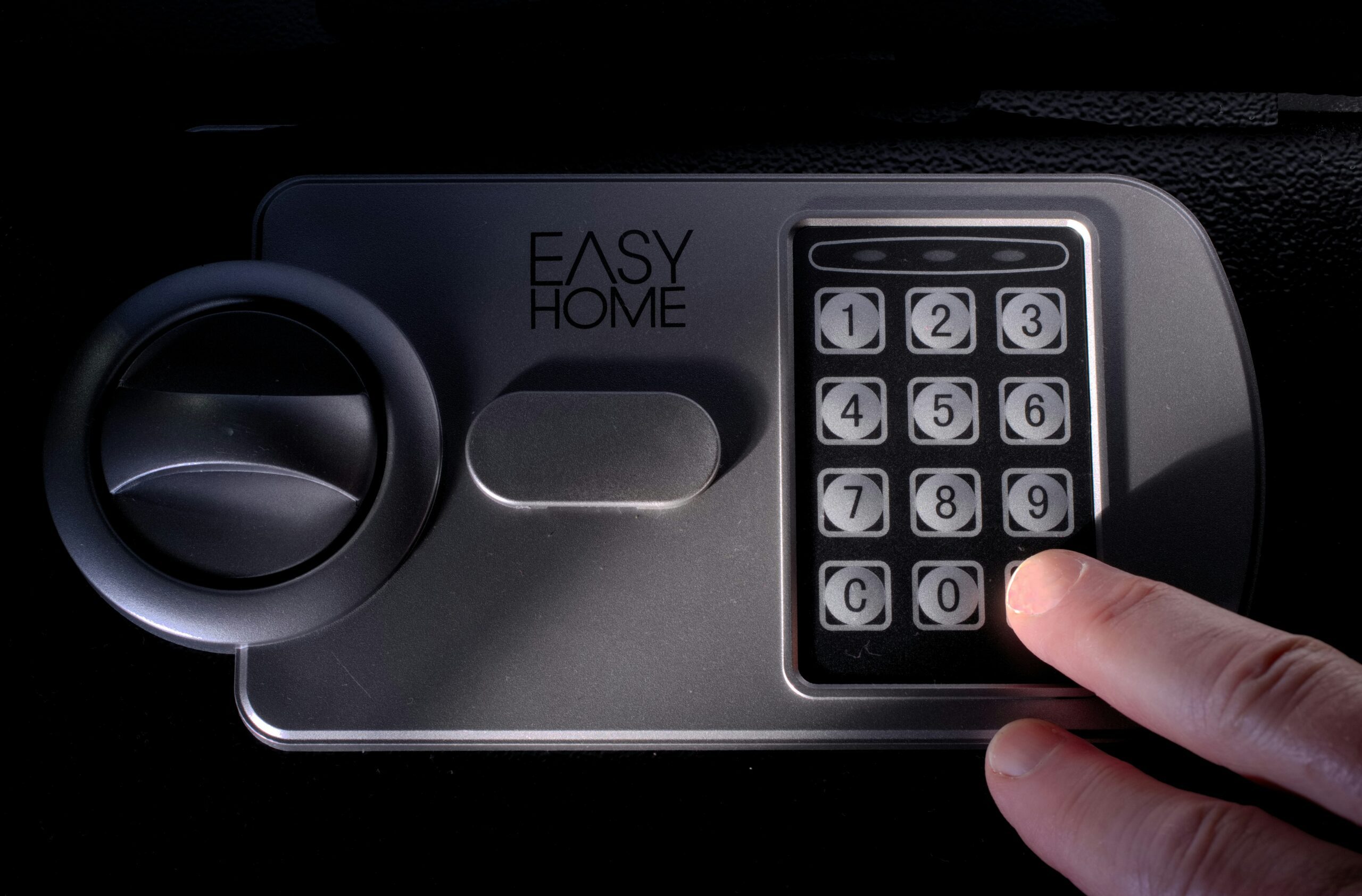
Electronic safes use a keypad, a control board, and a solenoid-driven bolt. Changing the combination involves a programming sequence—typically, enter the existing code, press a change button, and enter the new code twice. Most manufacturers publish this in the owner’s manual. The catch: the sequence differs across brands (SentrySafe, Liberty, Gardall, and Fort Knox), and a failed entry attempt count can trigger a time lock. Always have the model number and manual before attempting a reset.
Biometric Safes
Biometric safes store fingerprint templates. “Changing the combination” means deleting enrolled prints and re-enrolling authorized users. These systems are convenient but fail at higher rates than mechanical safes in high-heat environments — relevant information for any Scottsdale home.
Comparison: Safe Types and Combination Change Complexity
| Safe Type | DIY Feasible? | Tools Required | Locksmith Recommended? | Avg Reset Time |
|---|---|---|---|---|
| Mechanical dial | Rarely | Wheel-pack tool set | Yes | 45–90 min |
| Electronic keypad | Often | Owner’s manual only | Only if locked out | 5–10 min |
| Biometric | Usually | None (software menu) | Only if system failure | 5 min |
| Redundant key + dial | No | Safe-specific tools | Yes | 60–120 min |
8 Scottsdale-Specific Triggers That Mean You Need a Combination Change Now
Generic security blogs tell you to change your safe combination “periodically.” Scottsdale homeowners face specific, recurring scenarios that make that advice dangerously vague. These eight triggers require an immediate combination change—not eventually, now.
1. You Just Bought or Sold a Home in Scottsdale
Scottsdale ranked among the top 10 U.S. metro areas for home sales volume in 2024, per the National Association of Realtors. Many sold homes include an installed safe — either built into a closet, bolted to a concrete slab, or left behind by the seller. In every case, the previous owner holds the combination. Movers, contractors, stagers, and real estate agents may also have had access during the listing period. Change the combination before you put a single item inside.
2. A Tenant or Property Manager Had Access
Arizona landlord-tenant law (ARS § 33-1321) does not require a departing tenant to return safe combinations or access codes. If your rental property had a safe, treat the combination as compromised the moment the tenant’s lease ends.
3. You Operate a Vacation Rental (STR) on Airbnb or VRBO
Scottsdale is one of the nation’s busiest short-term rental markets, particularly during spring training and the PGA Tour season. A guest safe is a revolving-door security problem. Change or rotate the combination between every guest stay, or use an electronic model that allows guest-specific temporary codes.
4. A Divorce, Separation, or Estate Settlement
Access disputes are the leading reason North Valley Locksmith receives emergency safe calls from Scottsdale residents. A court order protecting property does not prevent someone with the combination from opening the safe before enforcement. Change the combination the day the legal situation changes—not after.
5. An Employee With Access Left Your Business
Commercial safe policies at most Scottsdale businesses require combination changes whenever an authorized employee departs. ALOA’s safe servicing standards recommend treating every staff departure the same way you’d treat a stolen key — act immediately.
6. You’ve Forgotten the Combination Entirely
This is more common than anyone admits. A forgotten combination is not a failure — it’s a service call. Do not attempt to guess the combination repeatedly. Most electronic safes lock for 10–20 minutes after three consecutive wrong entries. Some models trigger a time-lock of several hours. Call a locksmith.
7. Your Electronic Keypad Is Acting Erratically (Heat Damage)
See the full section below. If your keypad requires multiple attempts, shows error codes intermittently, or stops responding in summer months, the combination isn’t your problem—the hardware is.
8. A Break-In Attempt Occurred — Even an Unsuccessful One
A failed break-in tells you someone knows the safe exists and has already made one attempt. An unsuccessful attack on a mechanical safe can damage the wheel alignment, meaning the combination you know may no longer work reliably. Have the safe inspected and the combination reset after any tampering.
The Scottsdale Heat Factor: How 115°F Summers Damage Electronic Safe Keypads
Garages, closets, and interior rooms in homes without adequate HVAC — common in vacation properties during snowbird season — routinely reach temperatures that accelerate the failure of electronic components.
Electronic safe keypads contain a printed circuit board, solder joints, and a battery-powered solenoid. Sustained heat above 105°F degrades solder connections and causes battery leakage. The result: the safe responds intermittently, accepts a code without unlocking, or refuses input entirely. This is not a combination problem. It is hardware failure.
Marc Weber Tobias, security consultant and author of the definitive reference Locks, Safes, and Security published by Security.org, has documented that electronic safe locking mechanisms have a higher failure rate than mechanical equivalents in high-heat and high-humidity environments. “The combination is only as reliable as the hardware executing it,” Tobias writes.
Symptoms of heat-related keypad failure:
- Keypad lights up but won’t accept input
- Correct code triggers error beep
- Safe unlocks but bolt won’t retract
- Battery dies faster than normal (6 weeks instead of 6–12 months)
If you see any of these signs, replacing the keypad module (typically $75–$200 for the part, plus labor) is more cost-effective than buying a new safe. North Valley Locksmith sources OEM-compatible modules for most major brands. The combination itself is reprogrammable once the hardware is replaced.
How to Change a Safe Combination — What the Process Actually Looks Like
DIY Combination Change (When It’s Appropriate)
DIY is reasonable only on an electronic or biometric safe where
- You have the owner’s manual or can download it from the manufacturer’s site.
- You have the current working combination.
- The keypad and hardware are fully functional.
- You have not exceeded failed entry attempts.
General electronic safe combination change (steps vary by brand — consult your manual first):
- Open the safe completely. All procedures must be done with the door open.
- Enter your current combination and listen for the accepted beep.
- Locate the “change” or “program” button (often inside the door, on the keypad, or in the battery compartment).
- Press and hold the change button until the safe signals (beep or LED flash).
- Enter your new combination—a minimum of 6 digits is standard best practice.
- Enter the new combination a second time to confirm.
- Close and open the safe with the new combination before closing for storage.
Do not skip step 7. Verify the new combination works before closing the safe door.
Professional Combination Change: What a Licensed Locksmith Does
For a mechanical dial safe, a licensed safe technician removes the dial, opens the back of the lock mechanism, repositions the wheel pack to the new combination, and tests the new sequence under load. The process takes 45–90 minutes on a typical residential model and involves tools most homeowners do not own.
North Valley Locksmith technicians are trained on the most common residential brands sold in the Scottsdale market: SentrySafe, Liberty, Fort Knox, Browning, and Gardall. For commercial safes—Canon, Diebold, and Mosler—we recommend confirming the technician’s brand experience before booking.
What Happens When the Factory Default Was Never Changed
Factory default combinations are published. SentrySafe’s most common default is 1-2-3-4-5-6. Liberty defaults vary by model but are printed in the setup guide. If you bought a used safe and never changed the combination, start there. If the default doesn’t work, the previous owner likely changed it — at which point you need a locksmith for a non-destructive opening.
How Much Does a Safe Combination Change Cost in Scottsdale?
Pricing in the Scottsdale market as of 2026:
| Service | Price Range | Notes |
|---|---|---|
| Electronic safe reprogramming | $50–$80 | With correct current combo in hand |
| Mechanical dial combination change | $85–$150 | Standard residential models |
| Non-destructive emergency opening (forgotten combo) | $100–$250 | Depends on safe brand and complexity |
| Biometric reset + re-enrollment | $60–$100 | Per authorized user beyond first |
| Commercial safe combination change | $150–$350+ | Depends on safe size and security rating |
| Post-drilling combination replacement | $200–$500+ | Drilling required only when all else fails |
Does home insurance cover safe combination changes?
Standard homeowners policies (including common AZ carriers such as State Farm, USAA, and Farmers) do not cover combination changes as a routine service. However, if a break-in attempt damaged the safe’s locking mechanism, the repair may fall under personal property or dwelling coverage. Check your policy’s “lock replacement” or “forced entry” rider before paying out of pocket.
“The cost of a combination change is almost always less than the cost of replacing the safe — and far less than the cost of recovering valuables after a break-in,” says a senior technician at North Valley Locksmith with 15 years of safe service experience in the Scottsdale market.
Can You Change a Safe Combination Yourself? (Honest Answer)
For electronic safes: yes, in most cases, if you have the manual and the current combination.
For mechanical dial safes: no. The risk of an unrecoverable lockout is high enough that the $85–$150 professional fee is almost always the right call.
ALOA (Associated Locksmiths of America) states in its safe servicing guidelines that mechanical combination changes on high-security safes should be performed only by technicians trained in safe service — not general locksmithing. The distinction matters because a residential locksmith and a trained safe technician do not have the same credentials.
Common DIY errors that cause lockouts:
- Entering a new combination before fully completing the programming sequence
- Setting a new combination while the safe door is closed
- Confusing the lock-out reset procedure for the combination change procedure
- Setting a combination with fewer digits than the manufacturer’s minimum
If any of these errors occur on a mechanical safe, non-destructive recovery is often still possible—but adds $100–$200 to your bill. On a high-security electronic safe, a programming lockout can require a factory reset, which means shipping the lock module to the manufacturer.
What to Do If You Forgot Your Safe Combination in Scottsdale
Start with the cheapest options first.
Step 1: Check the owner’s manual, original purchase paperwork, or the manufacturer’s website for the factory default. Many owners never change it.
Step 2: Search the email for the original purchase confirmation. Some manufacturers register the combination with the serial number at the time of purchase.
Step 3: Call the manufacturer directly with the safe’s model and serial number (typically stamped inside the door frame). SentrySafe and Liberty Safe both have owner verification procedures to recover registered combinations.
Step 4: If steps 1–3 fail, call a licensed locksmith. Do not continue entering guesses—repeated failed attempts trigger time-locks on electronic safes and can corrupt the wheel pack on a mechanical safe.
A trained safe technician can open most residential safes non-destructively using manipulation techniques (listening to the wheel pack) or scope tools. This is slower than drilling—30–90 minutes—but leaves the safe intact and functional.
Drilling is the last resort. It is used when the safe is a high-security model resistant to tampering, when the locking mechanism has been physically damaged, or when the timeline requires immediate access. Drilling destroys the lock, requires a replacement, and typically runs $200–$500 in total. For a $150 safe from a big-box store, replacement is often more economical.
Choosing the Right Scottsdale Locksmith for Safe Combination Work
Not every locksmith handles safes. General residential locksmiths are trained primarily in door locks, deadbolts, and car locks. Safe service is a separate skill set with different tools and certifications.
What to look for:
- ALOA Safe Technician certification or equivalent training documentation
- Arizona ROC license (Registrar of Contractors licenses locksmiths in AZ—verify at roc.az.gov)
- Brand-specific experience — ask whether the technician has worked on your make and model
- Fixed, upfront pricing—reputable locksmiths quote before touching the safe
Red flags:
- “We can open any safe” with no detail on method
- Refusal to provide license number
- Quoted price jumps significantly after arrival
- No mention of non-destructive options before recommending drilling
North Valley Locksmith is licensed, bonded, and insured in Arizona. Our safe technicians carry ALOA documentation and work exclusively on residential and commercial safes in the Scottsdale area. Contact us for a free phone consultation before booking.
How Often Should You Change Your Safe Combination?
If no trigger event occurred, the baseline guidance from ALOA and most major manufacturers is
- Electronic safes: Change the combination every 12–18 months, or after each access-sharing event.
- Mechanical safes: Have the combination changed and the mechanism serviced every 3–5 years, or after any event from the trigger list above.
- Business safes: Change the combination whenever any authorized employee departs, at minimum annually.
Beyond the combination, an annual Arizona-specific inspection should include:
- Battery test and replacement (do not wait for low-battery warning—replace on schedule)
- Keypad responsiveness test in peak summer heat
- Door seal inspection (humidity damage to documents)
- Bolt extension test (ensure full retraction and extension)
- External hinge and mounting bolt inspection
A well-maintained safe lasts 20–30 years. A neglected safe—especially one with a heat-damaged electronic panel in a Phoenix-area garage—can fail within five.
North Valley Locksmith: Schedule Your Safe Service
Maricopa County’s burglary numbers are not going down. Scottsdale’s real estate market moves fast. Life events—sales, separations, and departures—happen without warning. A safe with a stale combination is not a security asset.
North Valley Locksmith provides licensed, bonded safe combination changes across Scottsdale and the North Phoenix metro area. Same-day appointments available. Free phone consultation for every safe service call.
Book a safe combination change today.
Frequently Asked Questions
How much does a safe combination change cost in Scottsdale?
A safe combination change in Scottsdale costs $50–$150 for most residential models. Electronic keypad reprogramming runs $50–$80. Mechanical dial combination changes run $85–$150. Emergency openings for forgotten combinations cost $100–$250 depending on safe complexity and brand.
Can a locksmith change the combination on any safe?
A licensed safe technician can change the combination on most residential and commercial safes. General locksmiths are not always trained for safe work — confirm that the technician holds ALOA safe service credentials or equivalent training before booking.
How do I reset my safe combination if I forgot it in Scottsdale?
First, try the factory default and check manufacturer records by model and serial number. If those fail, call a licensed locksmith before entering more guesses. A trained technician can open most residential safes non-destructively in 30–90 minutes without drilling the safe.
How often should I change my safe combination?
Change your safe combination after any access-sharing event: home sale, tenant departure, employee exit, or divorce. Without a trigger event, ALOA recommends reprogramming electronic safes every 12–18 months and servicing mechanical safes every 3–5 years.
Do I need to change my safe combination when I buy a new home in Scottsdale?
Yes, immediately. The previous owner, their real estate agent, movers, stagers, and contractors may all have had access to an installed safe during the listing and closing process. Change the combination before storing any valuables — treat it exactly as you would a door lock.
Can Scottsdale’s heat damage my electronic safe keypad?
Yes. Phoenix Metro temperatures above 115°F degrade electronic safe components, particularly solder joints and battery connections. Symptoms include intermittent keypad response, error beeps on correct codes, and rapid battery drain. This is hardware failure, not a combination problem — the keypad module needs replacement.
Is it safe to change a safe combination myself?
DIY combination changes are reasonable on electronic safes when you have the manual, the current working combination, and functional hardware. Mechanical dial safes require professional service. A failed DIY attempt on a mechanical safe can cause a permanent lockout that costs more to recover than the original service call.
What certifications should a Scottsdale safe locksmith have?
Look for ALOA Safe Technician certification and an active Arizona ROC license. Verify the ROC license number at roc.az.gov before booking. A trained safe technician is a distinct credential from a general residential locksmith — ask specifically about safe service experience with your make and model.


