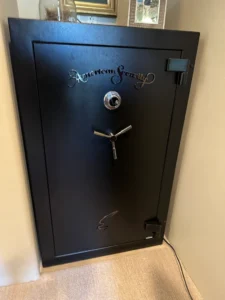
A 600-pound safe doesn’t behave like furniture. Treating it like an oversized dresser is exactly how a Saturday afternoon move turns into a cracked tile floor, a gouged doorframe, or worse, someone pinned under something that was never going to stop once it started tipping. Weight that concentrated doesn’t spread itself out. It finds the weakest point in whatever it’s resting on, and in most homes, that’s the flooring, not the safe.
Professional safe moving isn’t about brute strength. You must control how that weight shifts at every step of the move. This applies from the moment you lift the safe from its original spot until you bolt it securely in its new location.
Why a Safe Move Is a Different Problem Than a Furniture Move
A couch distributes its weight across a wide base and four legs. A safe concentrates several hundred, sometimes several thousand, pounds into a footprint not much bigger than a filing cabinet. That concentrated load is what cracks tile, dents hardwood, and stresses subfloor in ways a much lighter but bulkier piece of furniture never would.
This is exactly why the equipment matters more than the muscle. Manufacturers make safe rated dollies floor runners and rigging built for extreme point loads specifically for this reason. Standard moving equipment cannot handle weight that is so tightly concentrated.
Protecting Floors: Spreading the Load Before It Concentrates
People lay floor runners usually sheets of plywood or Masonite along the entire moving path. These runners spread the safe’s weight over a far wider area than the safe itself covers. Without them, a heavy safe rolling across tile or hardwood puts enormous, concentrated pressure directly on whatever’s underneath the wheels at any given moment, which is exactly the scenario that cracks tile or dents finished flooring.
Wheel selection matters too. Rubber, non-marking wheels rated for the safe’s actual weight reduce surface damage compared to standard equipment. A professional crew adjusts the specific approach based on the flooring type. Tile, hardwood, and carpet each call for different protective measures along the path.
Protecting Walls and Doorways: Measuring Before Moving
Corner guards and wall padding at every tight turn prevent the gouges and dents that happen when a safe’s edge catches a doorframe or a hallway corner mid-turn. Measure doorways hallway widths and turning radius before you start the move not during it. This step stops collisions from happening in the first place. You cannot correct your path once you commit several hundred pounds to a turn.
Removing a door from its hinges temporarily is a common and simple fix when a doorway is just barely too tight. It’s far cheaper than repairing a splintered doorframe after the fact.
Protecting Stairs: Where Most Serious Accidents Happen
Stairs cause the most serious problems during safe moves. Gravity pulls heavy loads downward. If you do not maintain full control the whole way the object gains momentum very quickly. Stair-climbing equipment designed specifically for extreme weight, combined with rigging that keeps the safe under constant, controlled tension rather than relying on someone physically holding back its full weight, is standard practice for anything beyond a light safe.
For very heavy units, professional movers sometimes bypass stairs entirely, using a hoist or crane through a window or balcony opening instead. The risk calculation changes significantly once a safe’s weight exceeds what stair rigging can safely manage.
Matching Equipment to Weight Class
| Safe Weight | Typical Equipment | Typical Crew Size |
|---|---|---|
| Under 300 lbs | Heavy-duty hand truck, floor runners | 2 movers |
| 300 to 750 lbs | Safe-rated dolly, stair-climbing equipment if needed, floor protection | 2 to 3 movers |
| 750 to 1,500 lbs | Hydraulic safe truck or lift, stair rigging, reinforced floor runners | 3 to 4 movers |
| Over 1,500 lbs | Full rigging setup, possible hoist or crane for upper floors, structural review of floor load capacity | 4 or more movers, often with a rigging specialist |
Checking the Floor Itself, Not Just the Move
Placing a very heavy safe on an upper floor raises a separate question entirely: whether the floor’s structure, joist spacing, span, and overall load capacity can actually support that concentrated weight over the long term, not just during the move itself. This is a structural question, not a moving question. It’s worth having evaluated before committing to an upper-floor location for anything in the higher weight classes.
A professional mover who brings up this point ahead of time instead of just dropping the safe wherever directed does more than complete the move. They protect your home for years to come not just for the two hours the job takes.
Protecting the Safe and Its Contents During Transit
The move itself can damage a safe in ways you will not see until you test the lock or bolt mechanism later. Tipping a safe on its side or back during transport can shift internal locking components in ways that cause functional problems well after the move is complete. That’s why professional movers generally keep a safe upright throughout the entire process rather than laying it down to make handling easier.
Securing the door and bolt work before the move, so the mechanism isn’t absorbing shock or shifting weight during transport, protects the same components a homeowner is ultimately relying on for security once the safe is back in service.
Why DIY Safe Moving Carries Real Risk
According to general workplace safety guidance from the Occupational Safety and Health Administration, manual handling of extremely heavy loads is a well-documented source of serious injury. A safe’s weight, combined with its small footprint and high center of gravity once tilted, makes it a particularly dangerous object to move without the right equipment. A tipping safe doesn’t give much warning. Once several hundred pounds start to fall, there’s very little a person can do to stop it safely.
Beyond the injury risk, DIY moves are also where most of the property damage happens: cracked tile, gouged walls, and damaged stairs that cost far more to repair than a professional move would have cost to begin with.
What to Look for in a Professional Safe Mover
Confirm the company carries liability insurance covering property damage during the move. Not just the safe itself, since floors, walls, and doorframes are exactly what’s at risk during a botched move. According to general guidance from the American Moving & Storage Association, verifying a mover’s licensing and insurance before the job starts, not after something goes wrong. It’s a basic and reasonable step for any move involving significant value or risk.
Ask specifically whether the mover has handled safes of this weight class and worked with layouts like yours especially if stairs or upper floors are involved. You need to know this because the right tools and methods truly shift at every weight level.
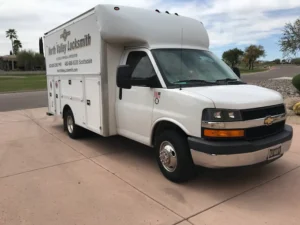
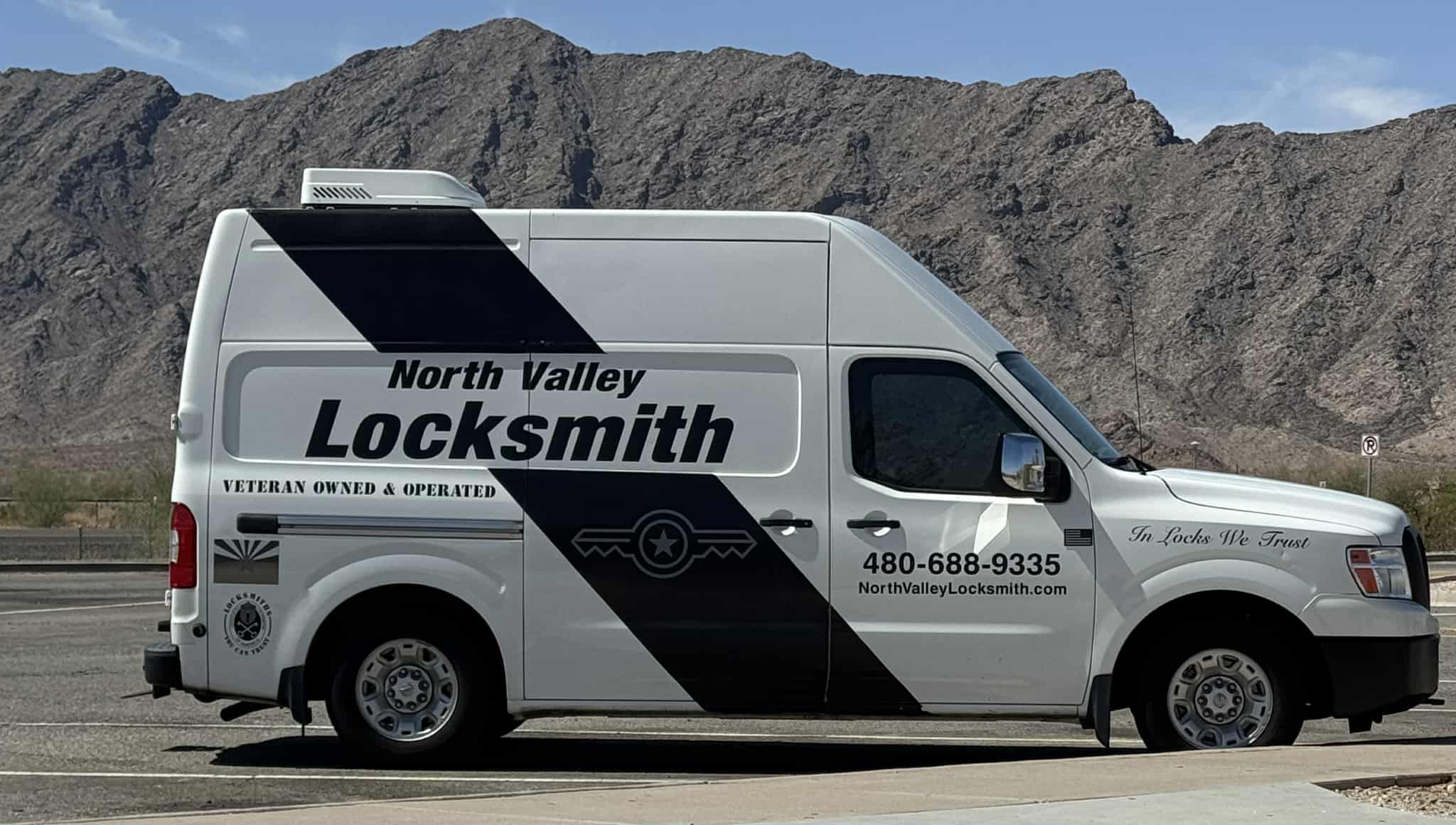
Moving a heavy safe without specialized equipment can gouge hardwood floors, crack delicate tile, and dent doorframes or drywall. Our certified technicians utilize heavy-duty stair-climbing dollies, floor-armoring plates, and padded wrapping to transport your safe zero-damage guaranteed. Trust the North Valley Locksmith team to handle the heavy lifting safely.
Frequently Asked Questions
Why can’t I move a safe myself with regular moving equipment?
Standard moving equipment, hand trucks and dollies rated for typical furniture weight, generally isn’t rated for the concentrated load a safe puts on a small footprint. Using undersized equipment risks equipment failure mid-move, which is exactly when a safe is most likely to tip or fall uncontrolled. Beyond equipment limits, safes have a high center of gravity once tilted onto a dolly, making them considerably harder to control than their weight alone suggests. Professional movers use equipment specifically rated for a safe’s actual weight class, which is the main reason the job looks easier when a professional does it.
Can moving a safe damage the floor even if the safe doesn’t get scratched?
Yes, and this is one of the most common misunderstandings about safe moving. A safe’s concentrated weight can crack tile, dent hardwood, or stress subfloor even when the safe itself comes through the move without a mark. The damage happens to whatever the safe was resting or rolling on, not to the safe. Floor runners and proper wheel selection are specifically designed to spread that load over a wider area and prevent this kind of damage. A safe that looks perfect after a move doesn’t necessarily mean the move was done correctly if the floor wasn’t protected along the way.
Do professional safe movers carry insurance for potential damage?
Reputable professional movers generally carry liability insurance covering property damage that could occur during a move, in addition to any coverage for the safe itself. Confirming this before the job starts, rather than assuming it, is a reasonable and standard step, since floors, walls, and doorframes are what’s most commonly at risk during a difficult move. Asking directly about the specific coverage and getting it confirmed in writing protects you if something unexpected happens. This is a basic verification step worth taking regardless of which company you choose to hire.
Can a heavy safe be moved to an upper floor safely?
It often can, but it requires more than just careful moving. It may also require confirming the floor’s structural capacity can support that concentrated weight on an ongoing basis, not just during the move itself. For safes in higher weight classes, this becomes a legitimate structural question that goes beyond typical moving logistics. A professional mover experienced with heavier safes should raise this question proactively rather than simply delivering the safe wherever requested. Getting this evaluated before the move, rather than after, avoids a much more difficult problem down the line.
How is a safe protected during the move itself, not just the house?
Professional movers generally keep a safe upright throughout the move rather than laying it on its side or back. Tipping can shift internal locking components in ways that cause functional problems later, even if no exterior damage is visible. Securing the door and bolt mechanism before transport prevents those components from absorbing shock or shifting during the move. These precautions protect the same security features a homeowner ultimately depends on once the safe is back in service. A safe that arrives looking fine on the outside can still have internal issues if it wasn’t handled correctly during transport.
How much does professional safe moving typically cost?
Cost depends heavily on the safe’s weight, the distance being moved, whether stairs or an upper floor are involved, and how much floor and wall protection the specific move requires. A straightforward, ground-floor move of a lighter safe costs considerably less than moving a heavier safe that requires stair rigging or a hoist for upper-floor placement. Getting a specific quote based on your safe’s actual weight and your home’s layout is the most reliable way to know what a particular move will cost. This is also a good time to confirm insurance coverage and ask about the mover’s experience with your specific weight class.
See also: Why Bolting Down Your Safe Is One of the Most Important Security Upgrades, Moving to a New Home? Relocate Your Safe Properly