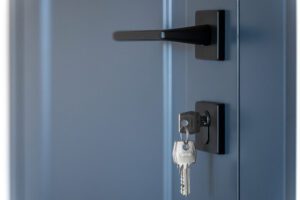

You finally get one tenant out, the unit is clean, the listing is live, and you’re already thinking about move-in day for the next renter. But there’s one step that often gets skipped or pushed aside because it feels small. Rekeying the locks.
Here’s the thing, though—rekeying between tenants in Scottsdale isn’t just a “nice-to-have.” It’s one of those quiet decisions that can save you stress, money, and legal headaches later. And once you really think it through, it just makes sense.
At North Valley Locksmith, we work with property owners every day who wish they had rekeyed sooner. Not because something dramatic always happens, but because prevention is cheaper than damage control.
What Does Rekeying Actually Mean?
Rekeying doesn’t mean replacing all the hardware on your doors. Instead, it changes the internal pins of the lock so old keys no longer work. You get brand-new keys, while the lock itself stays in place.
We recommend it to every landlord. It’s faster than a full replacement and far more cost-effective. More importantly, it gives you back control over who can access your property.
The Real Risks of Not Rekeying
Scottsdale is a high-demand rental market. There are short-term tenants, long-term leases, vacation properties, roommates—you name it. With that kind of turnover, keys tend to multiply in ways no one tracks perfectly.
You Don’t Know Who Still Has a Key
This is the biggest risk and the most obvious one. Once a tenant moves out, you lose visibility on who might still have access. Even trustworthy tenants can forget how many copies they made over the years.
Rekeying removes that uncertainty. It replaces “probably fine” with “definitely secure,” and that peace of mind is worth a lot.
Liability Can Fall on You
If an unauthorized person enters the property and causes damage or harm, landlords can be held responsible. Courts often ask whether reasonable security measures were taken.
Rekeying is considered a basic safety step. Skipping it can be seen as negligence, especially if something goes wrong.
New Tenants Expect Security
Tenants may not say it out loud, but they assume the locks are secure when they move in. Finding out later that old keys might still work damages trust fast.
At North Valley Locksmith, we hear this concern from tenants all the time. Rekeying helps you start the landlord-tenant relationship on solid ground.
Rekeying vs. Changing Locks — What’s Better?
A lot of landlords think changing locks is the only option. In reality, rekeying offers the same security benefit at a lower cost.
Rekeying keeps the existing hardware but makes all old keys useless. It’s faster, cleaner, and often done in one visit. For most rental properties, it’s the smart middle ground between doing nothing and replacing everything.
When Should Landlords Rekey?
The short answer is every time a tenant moves out. Even if the tenant was great. Even if they returned the keys or the lease ended on good terms.
Keys are easy to copy and hard to track. Rekeying between tenants in Scottsdale should be part of your standard turnover checklist, right alongside cleaning and inspections.
How Rekeying Saves Money Long-Term
Some landlords hesitate because of the cost. But when you compare the price of rekeying to potential losses from theft, vandalism, or legal disputes, the math becomes clear.
Rekeying is predictable and affordable. Emergencies are not. Spending a little upfront often prevents much bigger expenses later.
Why Landlords Work With North Valley Locksmith
At North Valley Locksmith, we understand rental timelines and tight turnovers. We work with landlords, property managers, and real estate investors who need fast, reliable service without drama.
We rekey efficiently, explain your options clearly, and help you keep consistent key systems across properties if needed. That way, security becomes part of your process, not a last-minute scramble.
Conclusion
Being a landlord means making dozens of small decisions that add up to big outcomes. Rekeying between tenants might seem minor, but its impact is anything but.
It protects your property, your tenants, and your reputation. And in a busy rental market like Scottsdale, that kind of foresight sets you apart. When security is handled the right way, everyone sleeps a little better.
North Valley Locksmith Makes Property Turnover Easy
Ready to lock in peace of mind? At North Valley Locksmith, we help landlords turn over properties with confidence, not crossed fingers. Rekey once, worry less, and move forward knowing your rental is truly secure. Get a free security quote today!
Frequently Asked Questions
1. Do landlords really need to rekey after a tenant moves out?
When a tenant leaves, it’s impossible to know how many copies of the key are still floating around. Keys get shared over time with roommates, friends, or service providers, and not all of them come back. Rekeying resets access completely and removes that uncertainty. It’s one of the easiest ways to protect your property before the next tenant moves in.
2. Is rekeying required by law in Scottsdale?
There isn’t always a clear-cut law that says you must rekey, but landlords are generally expected to provide reasonable security. If something happens and you didn’t rekey, it can raise uncomfortable questions. Many landlords rekey as a precaution because it shows they take safety seriously. It’s often easier to do it upfront than explain later why it wasn’t done.
3. How long does rekeying usually take?
Rekeying is usually quicker than people expect. For a standard rental, it can often be done in one visit without disrupting your turnover schedule. The exact time depends on how many locks are involved, but it’s rarely an all-day job. Most landlords are surprised by how fast and straightforward it is.
4. Can rekeying work with the locks already on the property?
Yes, and that’s one of the reasons landlords like it. The locks stay in place, but the inside is changed so the old keys no longer work. You end up with brand-new keys without replacing all the hardware. It’s practical, efficient, and doesn’t change the look of the property.
5. Should landlords rekey even if tenants return all the keys?
Returned keys don’t always tell the full story. Tenants may have made extra copies years ago and simply forgot about them. Rekeying removes any guessing and makes sure only the new tenant has access. That peace of mind is hard to put a price on.
6. Is rekeying better than changing the locks completely?
In many situations, yes. Rekeying gives you the same level of security without the higher cost of new hardware. Lock replacement makes more sense when locks are damaged or outdated. For normal tenant turnover, rekeying usually does the job perfectly.
7. How often should rental properties be rekeyed?
The safest approach is to rekey every time a tenant moves out. It keeps your security standards consistent and avoids exceptions that can cause problems later. Whether the tenant stayed six months or six years, access should reset. Making it a habit keeps things simple.
8. Does rekeying actually help build tenant trust?
It really does, even if tenants don’t say it directly. Knowing they’re the only ones with keys helps new renters feel settled right away. It shows that the landlord cares about safety and privacy. That kind of trust sets the tone for a better rental experience.
9. Can rekeying help landlords manage multiple units?
Yes, especially for landlords with several properties. Rekeying can be done in a way that keeps tenant access separate while simplifying owner or manager access. It helps reduce confusion and key clutter. Over time, that organization makes managing properties much easier.
10. What’s the real risk of skipping rekeying?
The biggest risk is not knowing who can walk through the door. If an old key still works and something goes wrong, it can quickly turn into a serious problem. Landlords may be asked why basic security steps weren’t taken. Rekeying helps prevent those “I wish I had done this earlier” moments.