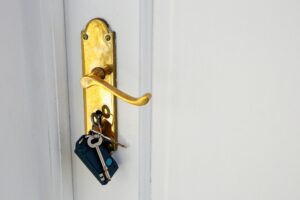
If your business is still relying on a huge ring of metal keys, it’s time for an honest conversation. Those old metal keys are a massive headache. They get lost, they get copied, and managing who has which key can feel like a full-time job. Today’s solution isn’t just a technical upgrade; it’s a smart business strategy: moving to a keyless entry system.
Think of it this way: Keyless access isn’t just about ditching keys. It’s about getting total control, streamlining your daily operations, and saving serious cash in the long run.
At North Valley Locksmith, we’ve been helping local Scottsdale businesses make this switch for years. We see the immediate impact: security goes from being a constant worry to a managed, efficient asset.
Why Your Scottsdale Business Needs to Ditch the Keys?
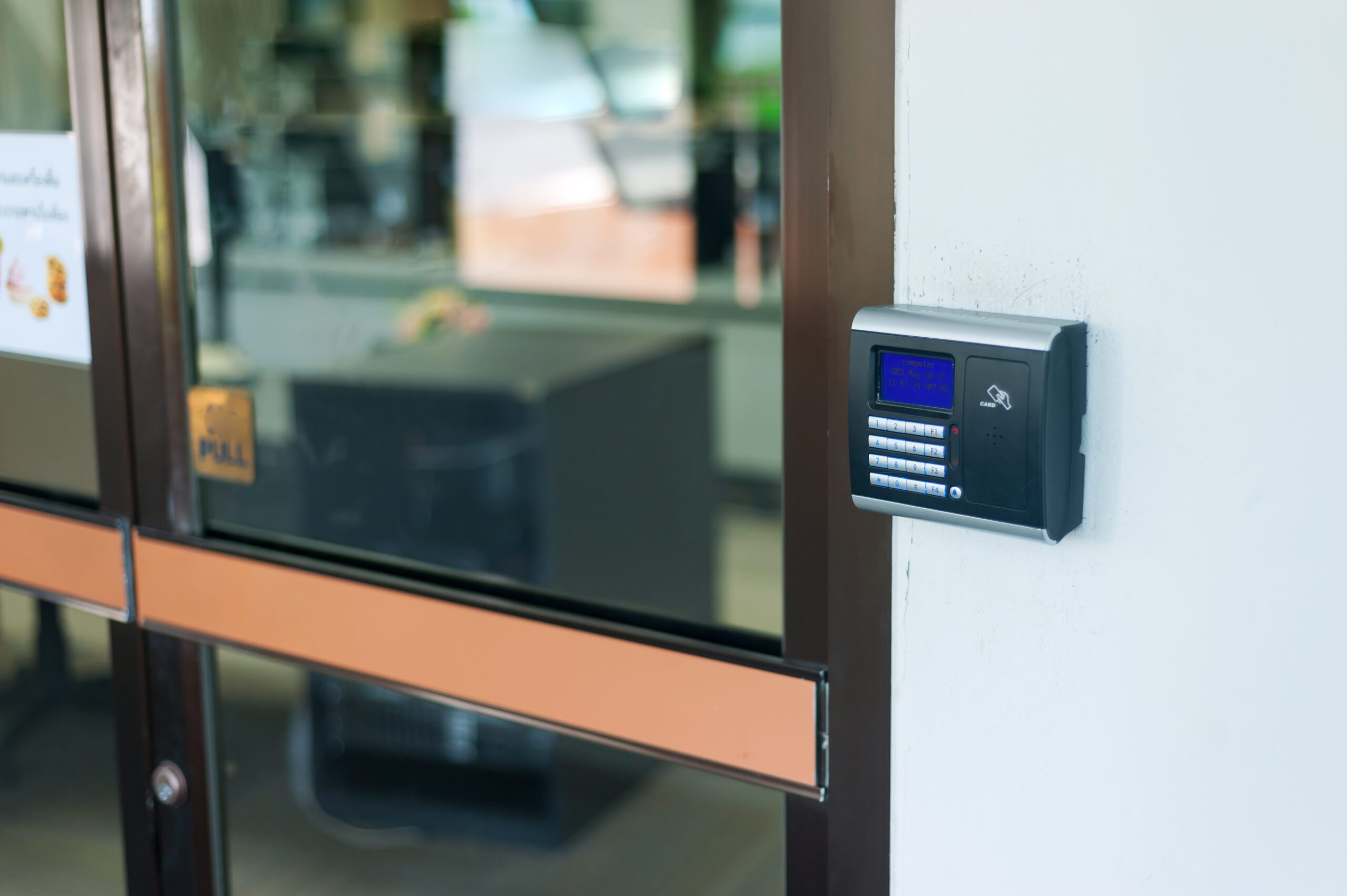
When we talk about keyless entry, we’re talking about systems that use codes, fobs, smart cards, or even your phone. Here are the three non-negotiable reasons why this switch makes sense for any modern Scottsdale operation:
1. Security That Actually Works
Traditional keys are a vulnerability because you lose control the moment you hand them out. Keyless access fixes that at the root.
- Instant Control: An employee leaves? You can deactivate their access code or key card immediately from your computer or phone. No more panicking over whether they made a copy.
- Total Accountability: The system tracks everything. You get a clear, timestamped record of who opened what door and when. This audit trail is priceless for settling disputes or investigating issues.
- No More Rekeying Hassles: Forget the expense and downtime of having to rekey your entire property. A digital system means changing access is just a few clicks away.
2. Boosting Efficiency and Saving Money
The time and money spent managing keys really add up. Keyless entry turns this administrative burden into an automated process.
- Administrative Freedom: No more running around, handing out keys, or waiting for a locksmith appointment just to change a lock. You manage access instantly, saving your managers and administrative team valuable time.
- Cutting Long-Term Costs: The biggest financial win comes from eliminating future rekeying and replacement key costs. You’d face this every time an employee leaves or a key is lost.
- Easy Access for Everyone: Granting temporary access to a cleaner, a vendor, or a delivery person is simple and secure. You give them a temporary code or fob, and it expires when the job is done.
3. Built to Grow with You
Scottsdale businesses thrive on growth, and your security system should be able to keep up without requiring constant, expensive overhauls.
- Customized Access: Keyless systems let you define exactly who goes where. Need to restrict access to the server room, the cash office, or the high-value inventory closet? Done.
- Scales Seamlessly: If you expand to a new floor or lease another office space, integrating the new doors into your existing access control network is far easier and cheaper than installing entirely new mechanical locks and key sets.
- Time-Based Security: You can program the system to only allow certain staff members entry during specific business hours, adding an extra layer of protection during off-peak times.
At North Valley Locksmith, we design systems that adapt to your growth. We want your security to be a feature, not a limitation.
Final Thoughts
Making the switch to keyless entry is the most impactful security move you can make for your Scottsdale business today. It solves the key management headache, enhances accountability, cuts future costs, and positions your company as a modern operation ready for growth.
Stop dealing with lost keys and expensive rekeys. Start enjoying the total control and peace of mind that comes with a sophisticated, digital security system.
Tired of feeling locked out of your own security decisions?
Don’t wait for the next security breach to force your hand. Call us today at North Valley Locksmith to schedule a free, hands-on demonstration of a keyless entry system and unlock the potential of truly modern commercial security!
Frequently Asked Questions
1. What types of keyless entry are most common for small businesses?
Small businesses most frequently use keypad locks and proximity card/fob systems because they offer a balance of security, cost-effectiveness, and ease of use. Keypad locks require a simple code for entry, which is easily changed when needed, while fobs and cards offer a simple “tap and go” convenience. These solutions provide excellent control over who enters the premises without the complexity of a full-scale commercial access control panel.
2. How do I manage user access when an employee leaves the company?
Managing access is straightforward and immediate, as credentials are digital rather than physical keys. The business administrator can simply log into the system’s management software and instantly deactivate the former employee’s access code, key card, or mobile credential. This allows you to eliminate the security risk of a lost or unreturned key without the expense or disruption of changing all the physical locks.
3. Are keyless entry systems reliable during a power outage?
Modern commercial keyless systems are designed with backup power solutions to maintain security even if the main electricity goes out. Most systems operate on a low-voltage power supply and include a battery backup that can keep the system running for a specified number of hours. In some cases, the system will default to a secure “fail-safe” mode, keeping the door locked until power is restored.
4. What is the difference between an electric strike and a magnetic lock?
An electric strike is a device installed in the door frame that uses an electric current to release the door’s latch, allowing it to be opened while the mechanical lock cylinder remains in place. A magnetic lock, or maglock, is a powerful electromagnet and an armature plate that holds the door shut with thousands of pounds of force, which is released when the power is temporarily cut via the access control system. Maglocks are generally considered more secure, but are usually required to be wired to a specialized emergency exit system for safety compliance.
5. Can I remotely lock or unlock my business doors?
Yes, many modern commercial access control systems are networked and cloud-managed, providing comprehensive remote access capabilities. This feature allows authorized users to check the door status, lock down the facility, or grant temporary access to a delivery person or vendor using a secure mobile application or web portal. Remote management offers immense flexibility and peace of mind for business owners who are often away from the physical location.
6. Do keyless locks track who enters and leaves the building?
Absolutely, one of the primary benefits of keyless entry is the detailed audit trail it automatically generates for every authorized door transaction. The system records the user’s credentials, the specific door, and the exact time of entry and exit, creating a permanent, searchable log. This data vastly improves accountability among personnel and can be instrumental in investigating any security breaches or discrepancies.
7. Is a keyless system more expensive to install than traditional locks?
The initial investment for a quality keyless entry system is typically higher than installing a standard mechanical lock and key system across a facility. However, this is offset by significant savings over time from eliminating rekeying costs and key management expenses. The long-term security value, combined with the administrative efficiency, often results in a lower overall cost of ownership for the business.
8. What security advantage does a key fob offer over a key card?
The security advantage between fobs and cards is often negligible, as both use similar RFID or NFC technology that can be instantly deactivated if lost. Fobs are small and often attached to a keychain, which makes them less likely to be accidentally forgotten but more likely to be lost with car keys. Key cards are often preferred by large organizations because they can be easily printed with employee photos, serving a dual purpose as both an access credential and an ID badge.
9. Can I limit an employee’s keyless access to specific rooms or times?
Yes, keyless entry systems offer granular control, allowing administrators to define which doors a specific user can access and precisely when they are permitted entry. You can easily program the system to allow a manager 24/7 access to all areas while limiting a part-time employee to only the front door and office area during business hours. This advanced access segmentation is a core feature for securing sensitive inventory or data within a commercial property.
10. How long does a keyless access battery typically last?
For most modern commercial systems, the internal battery backup is primarily for short-term power loss and is designed to provide seamless operation for several hours. Under normal usage, the main access control components run on building power, meaning the backup battery is usually maintained at full charge. These batteries are typically checked during routine maintenance and are designed to provide sufficient power to secure the property during most temporary utility outages.